BRIGHT Kentucky in Adair and Russell Counties
Written by Jessica Brown, Executive Secretary, City of Middlesboro
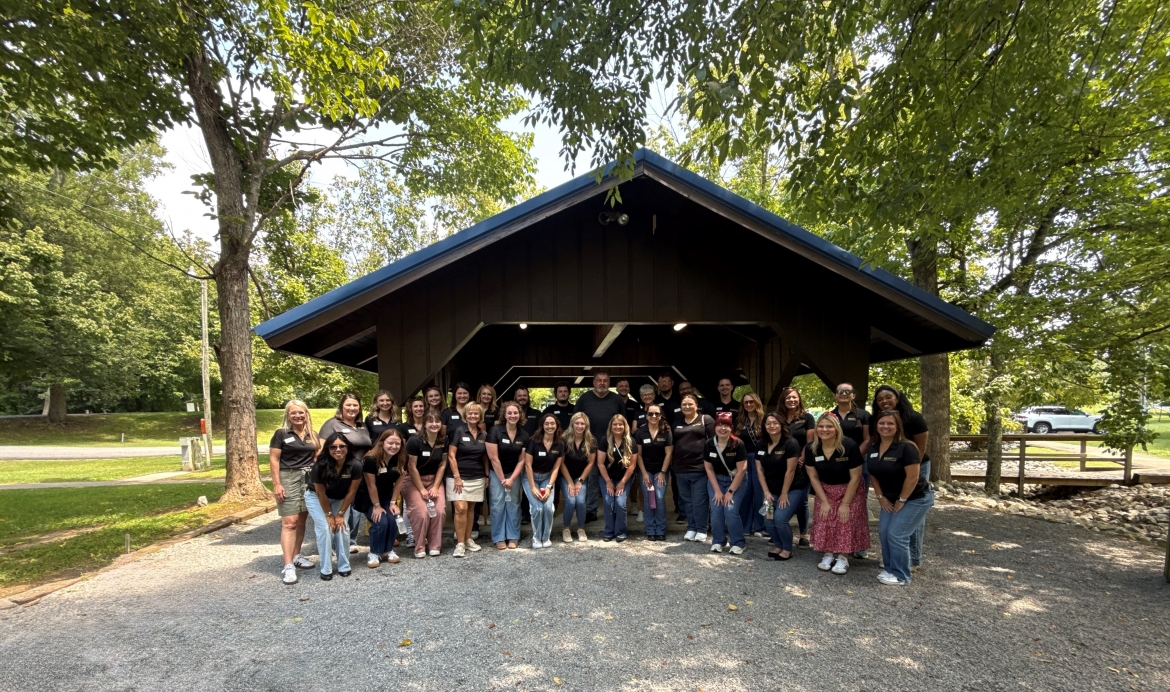
The weather forecast predicted dreary days for the second BRIGHT session, but the 2026 cohort was met with such genuine hospitality and enthusiasm that even the clouds seemed to lift. This session highlighted the importance of understanding identity and purpose, defining a clear vision, and building collaborative relationships.
The session opened at Lindsey Wilson University, where State Representative Amy Neighbors, State Senator Max Wise, and Mayor Pamela Hoots addressed participants. Each leader echoed the collaborative nature of leadership, recognizing that no one person can do the work alone. After a warm reception, Dr. Duane Bonifer of Lindsey Wilson University shared the story behind the institution’s recent name and branding changes, challenging the cohort to ensure that every mission is clearly defined and represented well.
Following the encouragement to seek clear vision and collaboration, Karen Butcher led an engaging session titled Leading Through Difficult Conversations. Participants were encouraged to remain curious, communicate with clarity, and practice navigating uncomfortable moments. Small‑group exercises allowed the cohort to apply these skills, explore why difficult conversations are often avoided, and build confidence in addressing challenging situations.
That afternoon, the group enjoyed time exploring Public Square in downtown Columbia before gathering for dinner at 313 Maple. Mayor Hoots highlighted the success stories of local businesses, including 313 Maple, and how the revitalization created community excitement and pride in the area. During dinner, Dr. Elijah Wilson, a 2020 BRIGHT graduate, shared how the program impacted his life, helping him to see new opportunities, including starting his own pizza restaurant, Sounds Good.
The next morning began at the Lake Cumberland Area Development District, where participants learned about the variety of services ADDs provide to citizens, cities, and counties across Kentucky. Small‑group discussions revealed that districts share many of the same challenges, and participants suggested that more intentional connections across districts to share resources and innovative solutions could carry benefits beyond district lines.
The cohort then traveled to the Wolf Creek Fish Hatchery, established in 1975. Created to offset the environmental impact of the dam, the hatchery produces three varieties of trout for mitigation stocking as well as daily tours focused on conservation education. A picnic‑style lunch by Big Daddy’s allowed the group to enjoy the beauty of the Cumberland River before they toured Wolf Creek Dam, constructed in 1950. The hatchery inspired discussion about resource management and protection, while the dam sparked conversation about infrastructure maintenance. Although built more than 75 years ago, much of the dam’s original machinery and equipment remains in operation due to the knowledge and diligence of those entrusted with maintaining it. The experience reinforced that leadership requires decisions that solve problems not only for today, but for generations to come.
Judge Executive Randy Marcum welcomed the group to the Russell County Courthouse, followed by 2019 BRIGHT graduate Aaron Poynter. While the first day focused on establishing a clear vision, Aaron explored the challenges of communicating that vision effectively and empowering others to carry it forward with his presentation, From Vision to Intentional Execution. This message was demonstrated by the Cumberland County Civics Club as they held a mock Fiscal Court meeting and discussed bridging generational divides. Supported by Cumberland County Judge Executive Luke King, a 2025 BRIGHT graduate, the group was founded by high school students seeking to learn more about local government and create a place for younger voices. Judge Executive King encouraged the cohort to listen to those who served before and those coming after, and to create opportunities for all generations to work together. The confidence and passion of the student speakers left a lasting impression. After such an inspiring display, the day concluded with dinner at Reel Java, where participants enjoyed a time of discussion, laughter and learning from one another.
The final day of Session Two began at the headquarters of the Tarter Gate Company. Originally founded in Dunnville to produce wooden gates, the company has expanded to Tarter Farm and Ranch Equipment with over 1,000 individual products and one million square feet of manufacturing facilities. While Tarter has implemented impressive multi‑million‑dollar machinery to improve manufacturing, the cohort also witnessed the critical role of skilled employees in creating quality products. Clearly defined procedures and processes reinforced another lesson of the session: successful organizations cannot simply hope for the desired outcome-they must have a clear vision and an intentional plan for achieving it.
Session Two of the 2026 BRIGHT program demonstrated that effective leadership begins with knowing who we are and understanding where we want to go, but vision alone is not enough. Moving from vision to meaningful progress requires clarity in communication, intentional execution, and collaboration with those who help bring that vision to life. Whether preserving resources, investing in communities, navigating difficult conversations, or creating opportunities for new voices to be heard, leadership requires looking beyond what is visible and imagining what is possible. As the cohort concluded Session Two, the challenge was clear: define the vision, build the relationships, and work together to continue moving forward.